Your cart is empty
Lens Guide
This guide is designed to make lens selection simple across bright sun, variable light, overcast skies, and low-light riding. It breaks down how tint color, visible light transmission (VLT), and lens technologies work together so you can quickly identify which setup is best for your environment, time of day, and weather pattern. By understanding how each lens option affects brightness control, contrast, depth perception, and glare reduction, you can build a system that improves clarity, minimizes eye fatigue, and helps you ride with more confidence and precision in changing mountain conditions.
Tints
The table below compares each lens tint by ideal condition, VLT range, and key performance benefits.
| Color | Condition | VLT* | Notes / Highlights |
|---|---|---|---|
 Black Black |
Bright Light (Sunny) | 5–15% | Best for bright sunny bluebird days. Maximizes brightness control and reduces glare. |
 Blue Blue |
Bright Light (Sunny) | 10–20% | Best for bright sunny bluebird days. Slight contrast improvement. |
 Green Green |
Bright Light (Sunny) | 15–25% | Best for bright to moderate light. Natural color perception. |
 Brown Brown |
Bright Light (Sunny) | 15–30% | Best for bright to moderate light. Improves depth perception. |
 Red Red |
Variable Light (Partly Cloudy) | 20–35% | Best for mixed sun and clouds. Improves contrast. Versatile all-round lens. |
 Purple Purple |
Variable Light (Partly Cloudy) | 20–35% | Best for mixed sun and clouds. Good contrast enhancement. |
 Orange Orange |
Flat Light (Overcast) | 30–50% | Enhances terrain definition. Improves visibility in cloudy conditions. |
 Pink Pink |
Flat Light (Overcast) | 40–60% | Best for flat light overcast skies and shaded terrain. Improves depth perception. |
 Yellow Yellow |
Low Light (Cloudy) | 60–80% | Ideal for snowstorms, fog, and dusk. Excellent contrast in low light. |
 Clear Clear |
Extreme Low Light (Night) | 85–95% | Best for night riding. |
*VLT (Visible Light Transmission) refers to the amount of light that can pass through the goggle lens.
Lens Technologies & Features
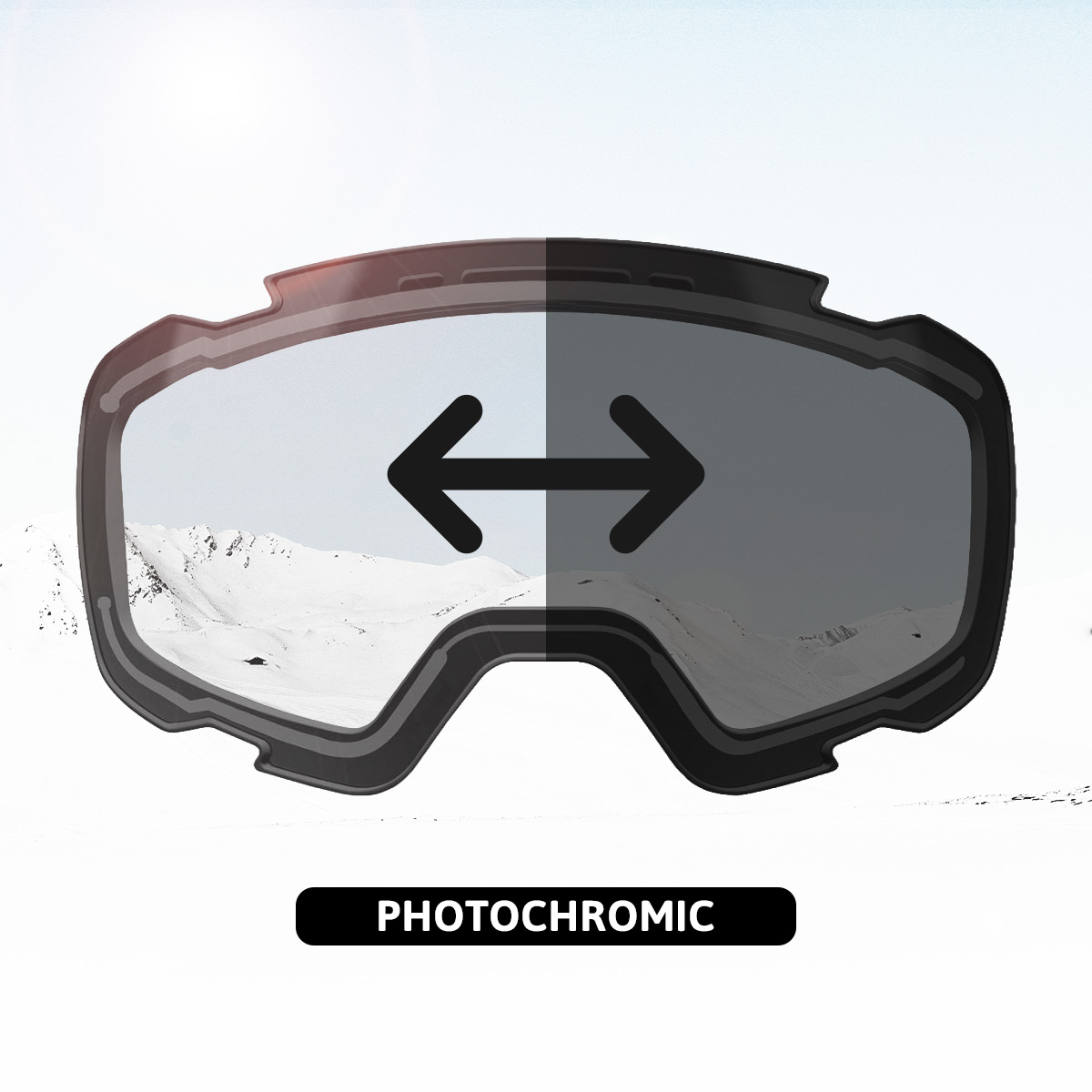
Photochromic
Photochromic lenses automatically adjust tint to changing light, darkening in bright sun and lightening in cloudy or low-light conditions for versatile visibility.
- Best for Changing Weather
- Automatically Adjusts Tint Based
- Nearly Equivalent to Two Lens in One
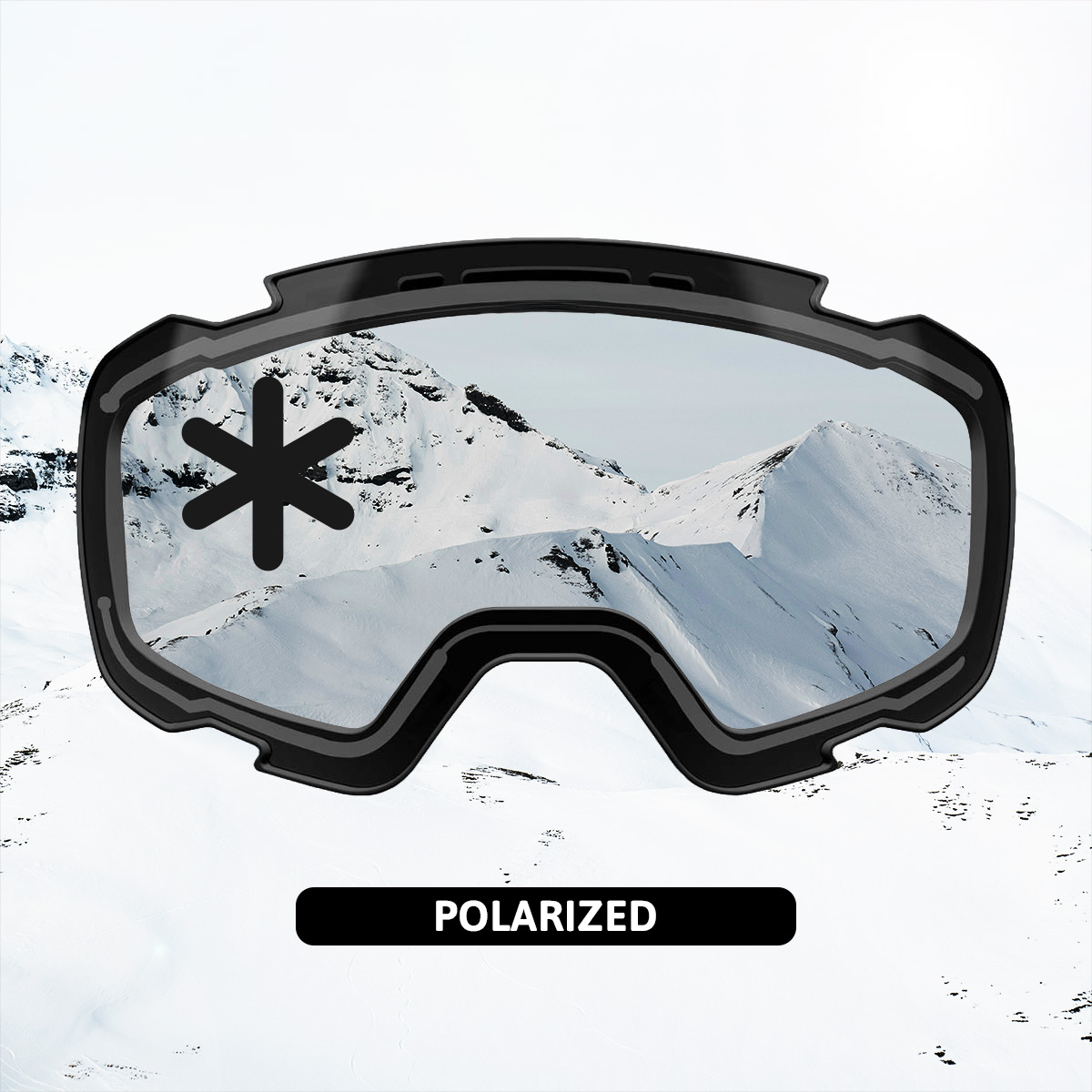
Polarized
Polarized lenses reduce glare from reflective surfaces like snow and ice, improving clarity, contrast, and comfort in bright sunny conditions.
- Reduces Glare from Reflective Surfaces
- Decreases Overall Brightness Reduction
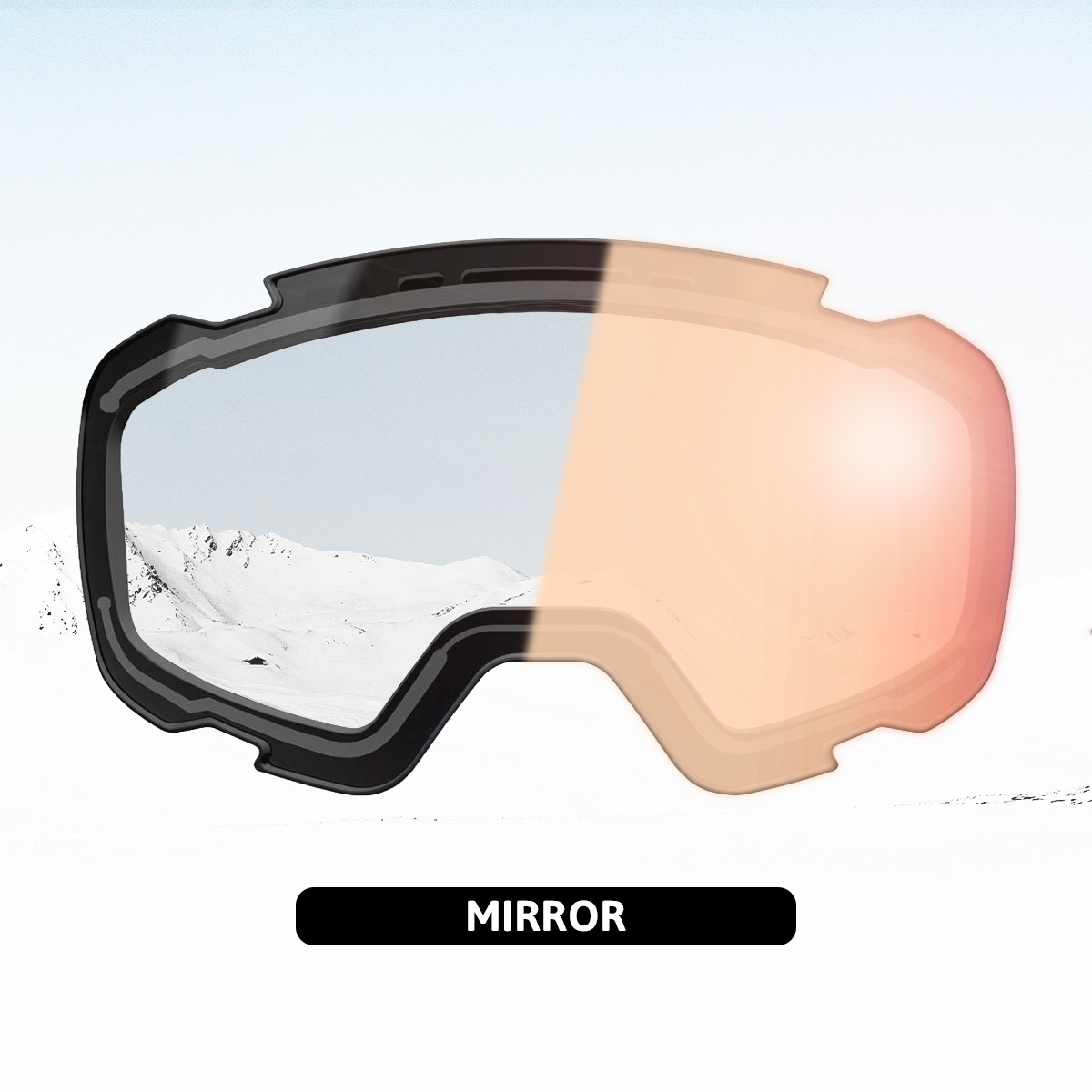
Mirror
Mirror coatings reflect excess light to reduce glare and brightness, improving comfort and visibility in sunny conditions.
- Slightly Reduces Brightness & Glare
- Shifts Lens Slightly Toward Brighter Conditions
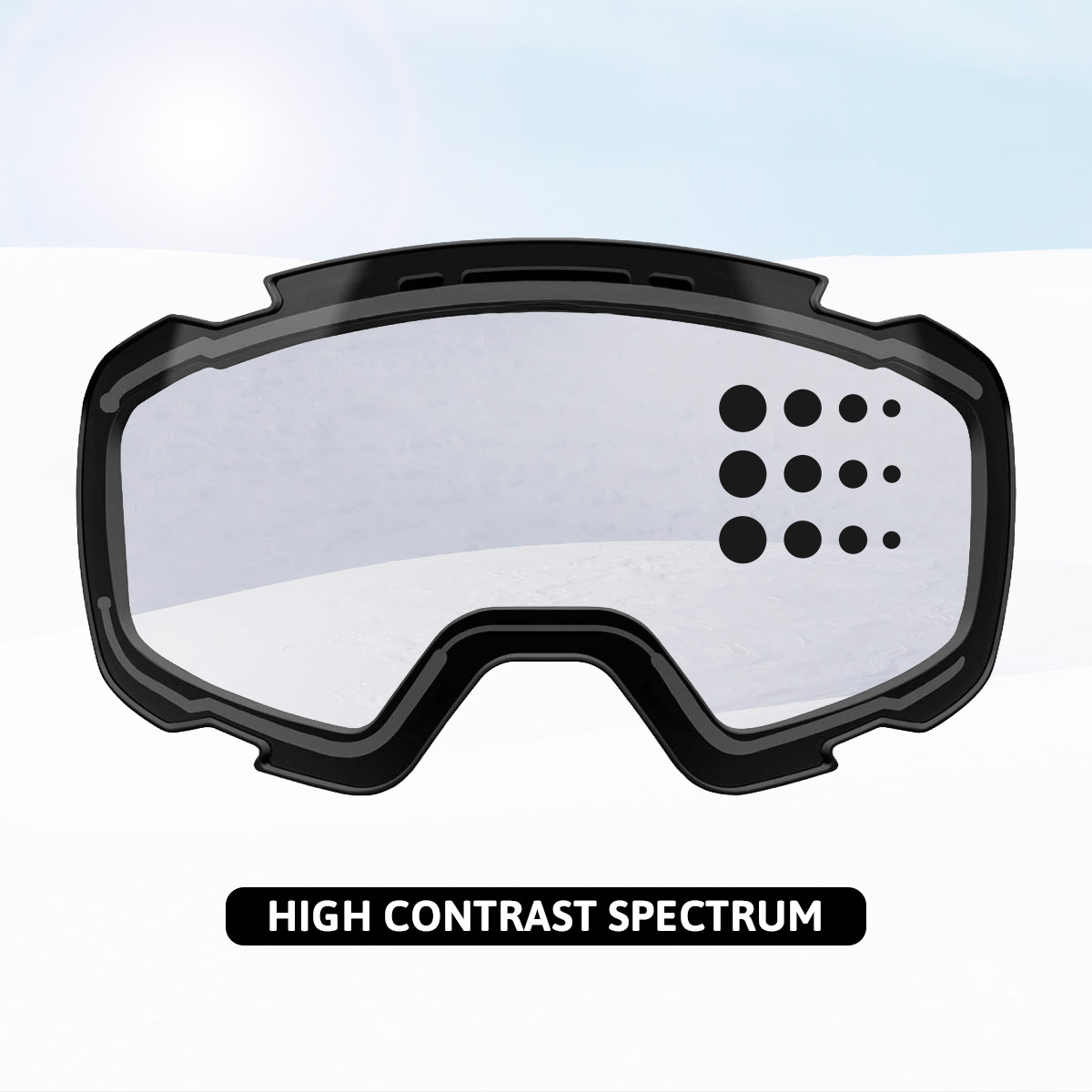
High Contrast Spectrum
High Contrast Spectrum (HCS) lenses enhance contrast and terrain definition by filtering specific wavelengths of light, helping riders see snow texture and features more clearly.
- Increases Contrast, Depth Perception, & Terrain Definition
- Reduces Eye Strain
Lens Construction
Lens construction affects fog management, durability, and all-day visual comfort. Use this table to compare how each construction feature supports clarity and performance.
| Feature | Notes / Highlights |
|---|---|
| Dual-Pane Lens |
|
| Single-Pane Lens |
|
| Lens Bonding / Fusion |
|
| Anti-Fog Coating |
|
| Lens Ventilation |
|
| Anti-Scratch / Hard Coating |
|
| Impact-Resistant Material |
|
Choosing the right lens is one of the most important factors in how well you see and perform on snow. The right tint, VLT, and lens technology work together to improve contrast, sharpen terrain detail, control glare, and reduce eye fatigue as conditions change throughout the day. A well-matched lens setup supports faster reaction time, better line choice, and more consistent confidence—helping every run feel clearer, safer, and more controlled from first chair to last lap.