Your cart is empty
Pre-Ride Avalanche Safety Check
Winter backcountry sports are growing in popularity. Whether you ski, board, sled, or shred, avalanche danger is a frequent threat. Education is a necessary first step if you’re new to backcountry sports. For veteran riders, a refresher is always recommended. We’ve compiled an easy pre-ride safety checklist to guide your preparation and increase your confidence.
If you’re not willing to educate yourself on avalanche safety and take the necessary precautions, you have no place in the backcountry.
EducateTake a course and learn rescue basics.
PackCarry beacon, airbag, shovel, probe, radio, and first-aid.
PracticeTest your gear and rehearse with your group.
Gauge RiskCheck forecasts, advisories, and local conditions.
Educate Yourself
If you’re new or need a refresher, we highly recommend that you take an avalanche safety course. Here are a few suggestions for finding course information and resources.
- Check your state’s avalanche center website for expert avalanche training and resources. (Find Your Center)
- The National Avalanche Center hosts a variety of training resources and course links (avalanche.org).
- Check with your local snowmobile or ski shop for local avalanche safety courses and resources.
- Follow Avalanche Centers and Forecasters on social media. We recommend our good friend Mike Duffy (@avalanche1.colorado on Instagram).
- Watch avalanche safety courses on YouTube.
- The American Red Cross offers many first-aid-related courses (redcross.org).
- Read our Safety Guides.
Pack the Right Gear (Learn More)
Your avalanche education and experience will prove largely ineffective without the right tools in your gear set. All backcountry enthusiasts should carry the following gear essentials:

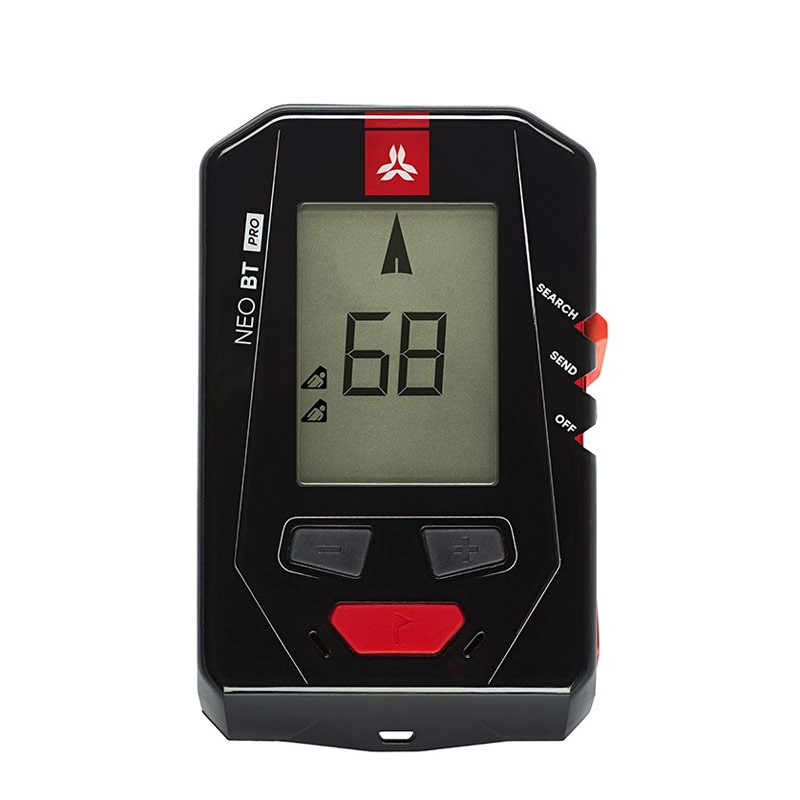
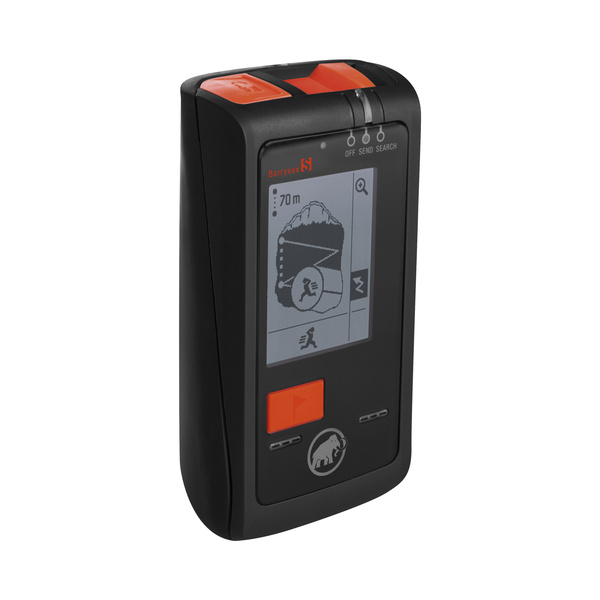
- Avalanche Beacon (Transceiver) - A beacon is the most critical item to carry in the backcountry. Beacons provide the quickest and most reliable way to locate an avalanche victim; without one, a victim could remain buried for months.
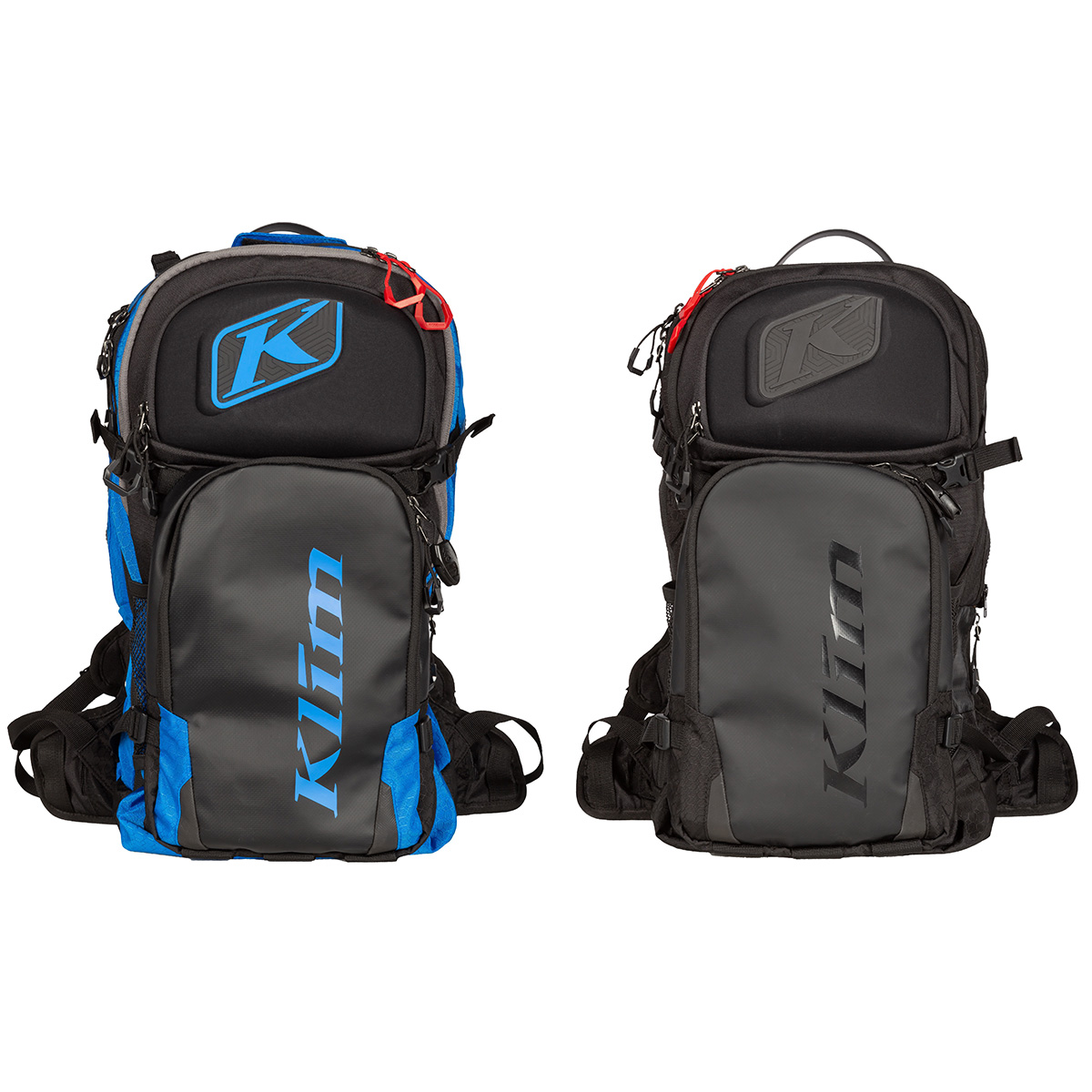
- Avalanche Airbag Pack/Vest - During a slide, an avalanche airbag pack can be triggered to deploy a large inflatable balloon that makes it possible to float on top or nearer to the surface of an avalanche.
- Shovel & Probe - A well-designed shovel and snow probe, 6 feet or longer, will significantly reduce the time and effort spent during a rescue.
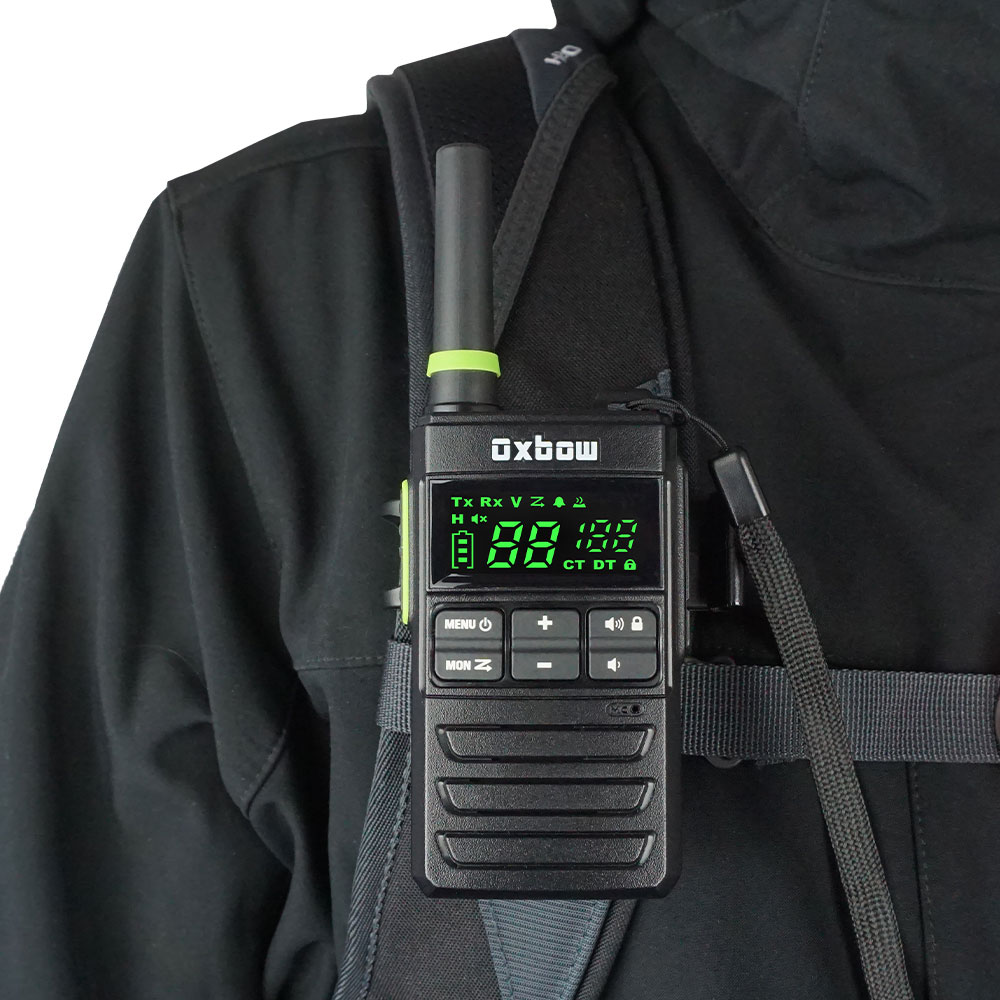
- Backcountry Radio - Communication in the backcountry is critical to rider enjoyment and safety. Communicate your plans, socialize, and share observations with a backcountry-specific radio.
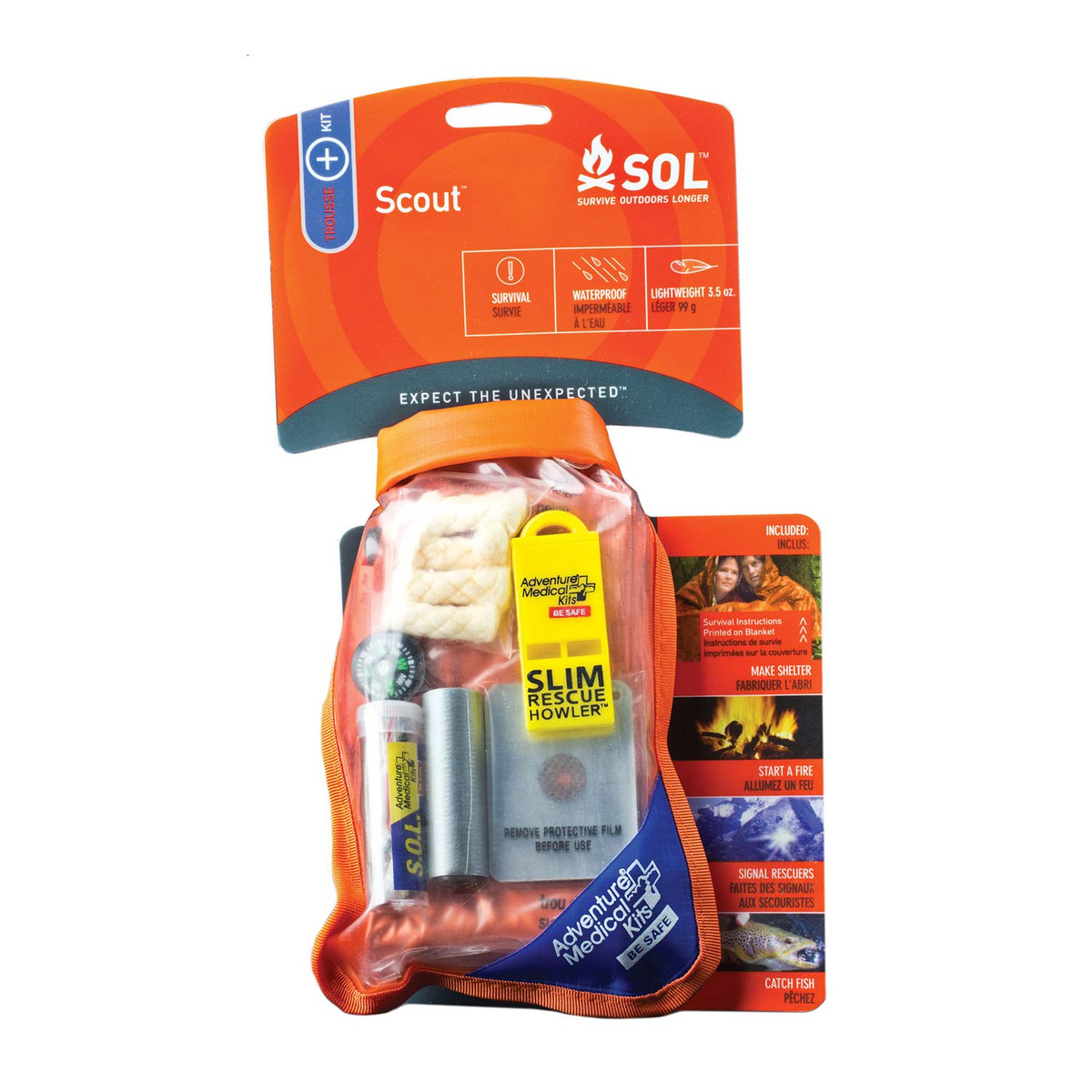
- Basic First-Aid Kit - Avalanches not only bury victims but can cause significant trauma and injury. This, along with many other backcountry-related accidents, is reason enough to carry a medical kit and know how to perform basic first-aid.
Practice
There is a reason we undergo frequent emergency drills, testing, and lectures. Practice and repetition help solidify important information in our minds, information that is easy to forget when we panic. The same goes for avalanche safety training. If you’re not practicing your skills and utilizing your gear frequently, you are more likely to forget skills or waste essential time when the stakes are high.
Backcountry enthusiasts should frequently get together with buddies for beacon training, practice probing and shoveling, and first-aid exercises (learn how to perform a rescue). It is also essential to occasionally deploy your airbag to ensure proper function and gain experience with deployment and repacking (read more about gear maintenance).
Gauge Your Risk
Lastly, and perhaps most importantly, you must gauge your risk before any ride. If you still need to complete the other items in this checklist, your risk is high, and you shouldn’t ride. Risk is relative to your training and experience. Someone with little to no experience should avoid scenarios of even low to moderate risk, avoiding avalanche terrain altogether until they’ve received adequate training. Other than experience, there are a few things to check before you ride:
- Weather & Forecast - Pay close attention to the local weather and forecast, as the weather is a significant factor in shaping avalanche conditions. Avalanches are more common during or preceding recent snowfall and precipitation. Sunlight and wind can also create instability in the snowpack.
- Check Your Local Avalanche Advisories - Avalanche advisories are generated with weather data and on-the-ground research by avalanche professionals, experts, and riders. Advisories include their own avalanche danger scale (learn more about avalanche advisories).
- Communicate with Riders & Forecasters - We highly recommend establishing relationships with other riders and local avalanche forecasters. Follow their social media accounts and reach out with any questions on riding conditions.
- Evaluate Conditions - The weather forecast and avalanche advisories provide a broad idea of what the conditions are like in a large area or region but will not tell you if a particular hill will slide. Learn to perform your own snowpack analysis and spot the signs of snow instability and avalanche danger (learn how to spot avalanche danger). If you’re unsure, remember it’s always better to play it safe and move on to a different spot.
Our avalanche safety pre-ride check should have helped you determine whether today is a ride day or a survive day. Take the checklist seriously, and you will enjoy many snow days to come.